

Make Your Art Captivating: Simple Steps for Grabbing Attention and Holding It
If your illustrations and pages aren’t grabbing attention, they’re failing. Let's fix that and make your art impossible to ignore.

Here's the Deal...
If your illustrations aren't demanding attention, you're pouring your passion down the drain. Whenever someone glances at your art and moves on without a second look, your artwork fails at the one job it had. Art must capture and keep the viewer's attention. Blow it, and you've wasted their time and, more importantly, yours.
But here's the thing: you can fix that. Once you do, your art won't just get a glance—it'll pull people in, keep them engaged, and make them feel like they experienced something real, that they found something profound and satisfying.
Make your viewer's investment of time and attention worthwhile; convince them to linger on your artwork instead of letting them move on to someone else's.
Here are actionable suggestions to make your illustrations work harder. These techniques will help you persuade your audience to stop, look, and care about what you've created.
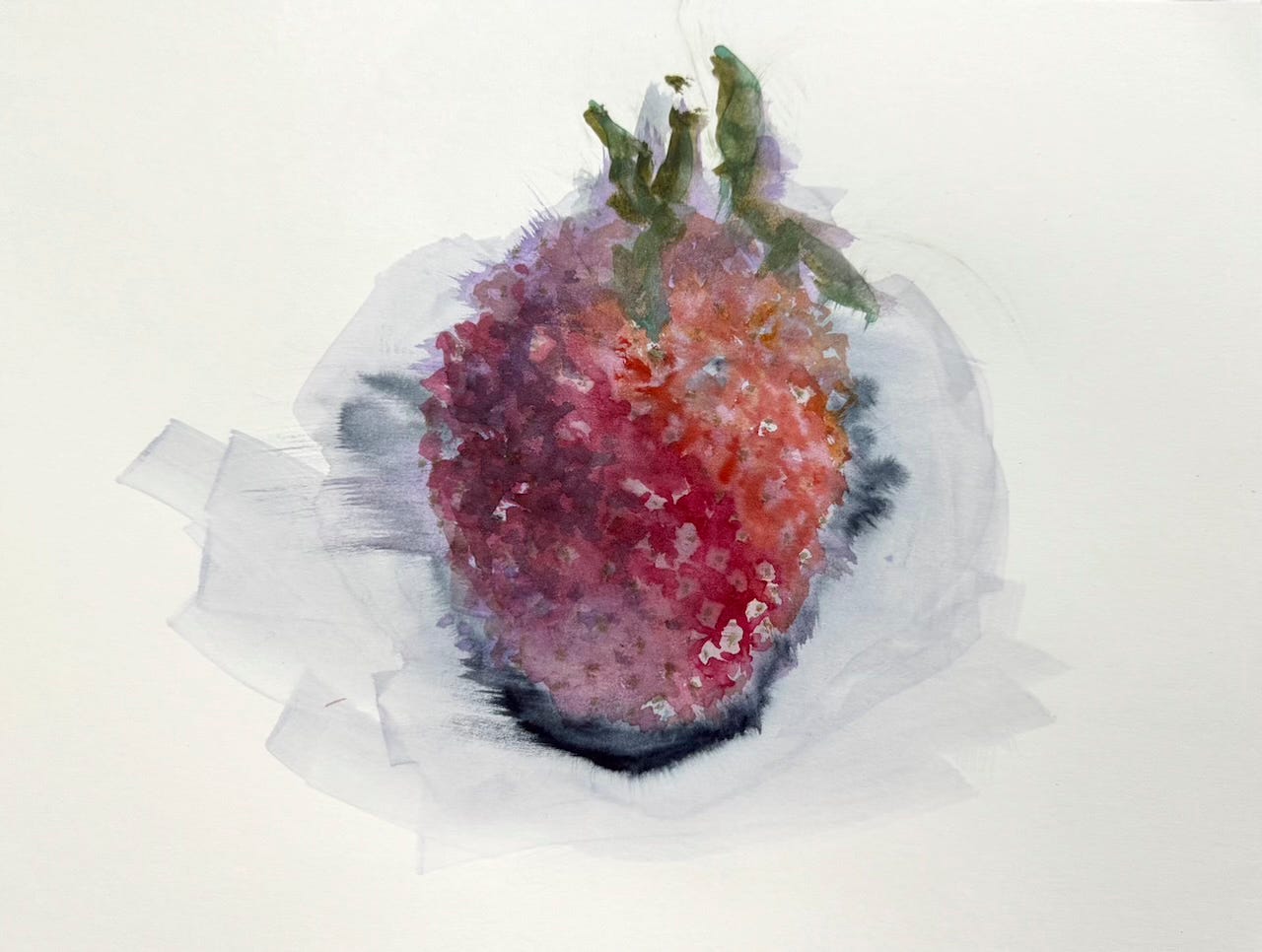
How You Know If Things Are... well... Off
When your work isn't grabbing attention, it’s failing. It's like shouting in a crowd and nobody turning their head. What a terrible feeling; ambivalence is devasting for artists. Viewers are busy. If you don't give them something to latch onto in the first few seconds, they're gone. And here's the worst part: once they're gone, they're not coming back. Your art didn't make the cut. It didn't make an impact.
Sound familiar? If your illustrations are ignored or shrugged off, it's time to fix that.
Diagnosing Problems
Before we get into the good stuff, let's talk about the signs that something's off:
No Focal Point: If your audience doesn't know where to look first, your image is just noise.
Lifeless Figures: If your characters feel stiff, no one will care about them.
Cluttered Composition: Too many details scattered everywhere—your viewer gets overwhelmed, and they tune out.
Weak Contrast: If everything falls in the same tonal range, your image will look flat. Disparate elements will fight for primacy amidst the chaos. A song with no harmonics... noise. Color amps up what tone starts. It can be a force on its own, but more often than not, it aids and abets everything tone initiated... an artistic accomplice.
If you see any of these issues in your work, it's time to tighten up your apron and spend more time at the easel.
The Fix: Getting to Unforgettable
Now that you know what's going wrong, let's break down what makes an illustration stick in someone's mind.
1. Establish a Strong Focal Point
Here's why it matters: You need to tell the viewer where to look first. If they have to figure that out on their own, they won't bother.
The simple fix: Use contrast—whether it's light vs. dark, color, or detail—to make one element pop. That's your hook. Draw their eyes right there.
Do this: Simplify your image down to one clear focal point. Make it sharp; make it stand out. If you don't have that, you don't have anything. After establishing a primary focal point, you add secondary and tertiary ones.
2. Master Composition and Control Eye Movement
Here's why it matters: Once they're looking, you must guide them through your illustration. Eye movement isn't an accident—it's a controlled path you create.
The simple fix: Use leading lines, shapes, and diagonal elements to direct their gaze. Make sure the viewer's eye flows naturally through the composition.
Do this: Before you start detailing, map out the big shapes. Create a visual path that's easy to follow. If the eye gets stuck anywhere, you're doing it wrong; adjust the flow.
3. Inject Gesture and Motion
Here's why it matters: Stiff, static figures are the quickest way to lose interest. Movement sells the action, even in a single image.
The simple fix: Exaggerate the gesture. Make the body language tell the story. Don't just pose a figure—capture a moment.
Do this: Practice gesture drawings. Keep it loose and energetic, then refine it without losing the motion. A dynamic pose can make a static image feel alive. Gesture lines, lines of action, contrapposto... these are just a few of the myriad ways to add visual energy.
4. Use Contrast and Value to Create Depth
Here's why it matters: Value (light and dark) gives your illustration structure. Without contrast, everything blends together, and your image loses its punch.
The simple fix: High contrast draws the eye. Use strong lights and darks where you want attention. Don't be afraid of shadows—they create mood and focus.
Do this: Do a value study in black and white. If your focal point isn't the lightest or darkest spot, fix it. Ensure the contrast leads the eye naturally through the rest of the image.
5. Leverage Color to Set the Mood
Here's why it matters: Color isn't just decoration—it's a narrative tool. Get it wrong, and the whole tone of your piece falls apart.
The simple fix: Use color deliberately. Warm colors (reds, yellows, oranges) grab attention and create intensity. Cool colors (blues, greens) calm things down and add depth. Harmonize your palette, and use complementary colors to create energy. Color is a deep pool to swim in. If you're lost, start with warms and cools.
Do this: Build a color palette that fits the story. Don't just pick colors because they look good—choose them because they mean something.
6. Reward Your Viewer with Subtle Details
Here's why it matters: Your focal point gets people to look, but the details are what make them stay. If there's nothing to discover, they'll move on.
The simple fix: Add layers of meaning and interest in the background and secondary areas. But don't overload it—use detail sparingly and with intent.
Do this: After finishing your core composition, go back and add something extra—a symbol, a small narrative element, or something that ties back to the story. Give the viewer something they'll only notice if they spend time with the image.
7. Use Negative Space to Create Breathing Room
Here's why it matters: Not every part of your illustration needs to be crammed with detail. Negative space allows the eye to languish for a few moments; this moment of visual repose enables focal points to stand out.
The simple fix: Let your key elements breathe. Don't overcrowd your composition—simplify where you can.
Do this: After finishing your illustration, take a step back. Is there too much going on? If so, simplify and use negative space to help frame and emphasize the essential parts.
Driving It Home
Let's recap. Be deliberate in your choices. Spontaneity has its place, but don't let it drive all the way home. You’re libel to end up on a sandbar, wondering how you got there. (Sorry, stories from younger days surfacing in fun, weird places.)
The Prime Mover: make sure there's a clear focal point. This isn't optional; you need it. That doesn't mean there aren't secondary and tertiary focal points, but there should be a hierarchy.
The following suggestions are essential, but having a clear focal point is non-negotiable. Use composition to control the viewer's eye. Add life to your figures with strong gesture and motion. Ensure your contrast, values, and colors work together to create depth and tell a story. Once you've nailed the basics, reward your viewers with subtle details that make them want to stay.
This isn't about making a "nice" illustration. It's about making one that works—one that pulls people in, keeps them there, and makes them feel something.
Be Deliberate in Your Craft
Here's the bottom line: the best painters and illustrators aren't talented. I have a pet peeve about the word "talent;" it's a throwaway term that strangers use to subconsciously minimize the thousands of hours of focus and dedication artists bring to bear. Talent is the ability to learn something faster than others. Eventually, talent runs dry. But training, skill, and persistence? Those don't go away unless you give them up. You can get rusty, but getting back up to speed is faster from a rolling start than a dead stop.
Simply put, the best illustrators, painters, and draughtspeople are deliberate. Every line, every shadow, every color has a purpose. And the only way to master this is through practice. Learn these concepts. Apply them. Then, practice until they become second nature. You must work at it until it's automatic. My artistic goal is to be thoughtful AND intuitive in my art. You? I don’t always pull this off, but when things go wrong, I have a process for figuring out why and correcting it.
Being a compelling visual storyteller isn't about luck—it's about having a strategy for grabbing and holding viewer attention, time after time.
Now get to work. I’m headed that way now.
Charles Merritt Houghton
11 September 2024